
Publish Date: 11 August 2026
Your Safety Net Before Signing
Getting an offer accepted on a property is a huge milestone, bringing you one step closer to moving into your new home. Naturally, the next step for most buyers is to arrange a Home Survey. This assessment ensures you know exactly what you are buying before finalising the paperwork. In a perfect world, the surveyor gives the property a clean bill of health and the sale proceeds at the agreed price. However, these inspections frequently uncover hidden defects that are impossible to spot during a standard viewing.
Choosing The Right Level Of Detail
The surprises you uncover will largely depend on the type of survey you commission. A basic Condition Report will only highlight glaring surface-level problems. A Level 2 Homebuyer Report goes deeper, testing damp levels and checking the roof space. If you opted for a Level 3 Building Survey, which is highly recommended for older or heavily modified properties, the surveyor will look under the floorboards and provide a comprehensive structural breakdown. The more detailed your survey, the more likely you are to find issues that need addressing before you commit to the purchase.

Get A Quote For Your Survey
To make arranging your home survey as simple as possible, we have partnered with SortRefer to provide access to a panel of fully qualified national surveyors. Through our dedicated portal, you can generate instant quotes for an RICS Homebuyer Report (Level 2) or a comprehensive Building Survey (Level 3). You can review your options, compare prices, and instruct a surveyor directly through the secure platform.
To start comparing options and find the right professional for your property purchase, visit our bespoke quotation page.
Renegotiating The Deal
Many buyers wonder whether they can change their offer after a survey. The short answer is ‘yes’. Until you exchange contracts, your purchase is completely Subject to Contract, meaning you have the freedom to reconsider. If a survey reveals substantial flaws, the home’s true value might look very different from what you originally offered.
Remember that the seller and their estate agent were probably completely unaware of these hidden problems. Coming back to the table with a revised offer based on professional findings is a normal and acceptable part of the property market.
Frequent Survey Discoveries
When a report comes back covered in warnings, a few specific issues tend to be the most common culprits:

Subsidence And Structural Movement
These are among the most frightening words a buyer can read. Subsidence happens when the ground beneath the property sinks, taking the foundations down with it. It often reveals itself through diagonal cracks around doors and windows. Remedying this can require extensive underpinning and major structural work.

Dampness And Condensation
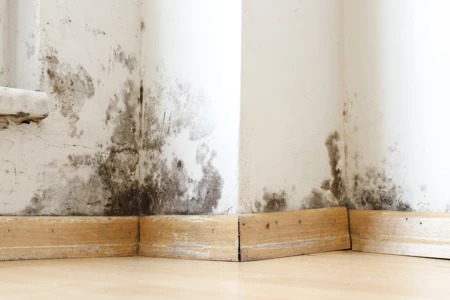
Damp is remarkably prevalent in older buildings. This can range from mild condensation caused by poor ventilation to severe rising damp that requires professional chemical damp-proofing and completely new plasterwork.

Outdated Electrical Systems
A surveyor might flag that the property has an old rewirable fuse box or wiring that has not been updated in decades. Bringing the electrics up to modern safety standards usually requires a complete house rewire, which is highly disruptive and requires lifting floors and chasing into walls.

Roofing Degradation
Surveyors regularly spot slipped tiles, degraded lead flashing, or sagging timber structures in the loft space. A compromised roof lets water in, which can quickly lead to secondary issues like rot and internal water damage.

Japanese Knotweed
This is a major red flag for mortgage lenders. This highly resilient and invasive plant can grow through tarmac, damage foundations, and ruin drainage systems. Lenders almost always require a professional eradication plan backed by a long-term guarantee before they will approve your mortgage.

Asbestos
Commonly used in construction until the late twentieth century, asbestos can be found in textured ceilings, floor tiles, and garage roofs. While safe if left completely undisturbed, removing it requires specialised, highly regulated contractors.
Approaching The Negotiation
If your report highlights significant concerns, here is a step-by-step approach to handling the conversation:
Step 1: Keep The Lines Of Communication Open
Let the estate agent know immediately that the survey raised some issues and you need a few days to review your options. Going silent will only cause the seller to panic and assume you are pulling out of the sale entirely.
Step 2: Gather Independent Professional Estimates
A survey identifies the problem, but it rarely gives you a precise quote for the solution. You will need to ask local builders, structural engineers, or other specialists to assess the necessary work. Having written quotes from independent tradespeople provides solid, objective evidence to back up your new offer.
Step 3: Share Your Findings Transparently
Honesty is your most effective strategy. By providing the seller with the relevant sections of your survey and the written contractor quotes, you take the emotion out of the situation. They can see exactly why you are asking for a reduction, proving that you are not simply trying to haggle for the sake of it.
Step 4: Propose A Logical Compromise
You have a few options here. You might ask the seller to cover the entire repair cost by reducing the purchase price by the quoted amount. Alternatively, consider splitting the financial burden to keep the sale moving swiftly. Another popular option is to ask the seller to have the work completed by a certified professional before the completion date. Sellers are often motivated to reach an agreement because putting the house back on the market delays their own moving plans.
Understanding Gazundering
It is important to distinguish between a legitimate renegotiation and gazundering. Gazundering occurs when a buyer suddenly drops their offer at the eleventh hour without any valid reason to force a cheaper deal. While legal, it is widely considered a bad practice and highly unethical.
Revising your offer based on genuine issues identified in a professional survey is a completely different matter. You are simply making an informed financial decision based on new evidence. The purpose of a survey is to protect your financial interests, preventing you from overvaluing a home with underlying defects.
The Final Decision
Before you submit a lower offer, take a moment to evaluate your own boundaries and emotional attachment to the home. Are you prepared for the seller to say ‘no’?
If they refuse to negotiate and you are unwilling to absorb the repair work yourself, the purchase might fall through. You have to decide if the property is truly worth the overall investment required, factoring in the time, stress, and disruption of managing major renovations. Sometimes, the smartest negotiation tactic is knowing when to politely walk away and look for a home that better suits your readiness.
If you need more guidance on your property journey, reach out to our team. As a completely fee-free mortgage broker, Mortgage Winners is dedicated to making the entire home buying process as smooth and straightforward as possible, ensuring you have the expert guidance you need at every step.

Speak To An Adviser Today
Navigating your mortgage options is easier with the right advice. Whether you are stepping onto the property ladder, moving up, remortgaging, or expanding a Buy to Let portfolio, our fee-free advisers are ready to help.
Request a callback for a relaxed introductory chat. We will clearly explain your options and outline your next steps with absolutely no obligation or pressure to move forward.


